For most of its six decades, the message a bank sends through the Swift network has done one thing: instruct another bank to move money, with the actual movement of cash happening afterward through clearing houses and central-bank settlement systems. The plumbing is slow, but it is universal, and roughly 11,500 institutions rely on it.
IBM is now trying to attach a newer kind of plumbing to that network. The company said this week that its Digital Asset Haven platform can connect to Swift’s blockchain-based shared ledger, letting banks issue and move tokenized deposits through the same ISO 20022 payment messages they already send today. The capability is in beta, and it is part of a Swift pilot that began this summer with 17 banks across six continents, including Citi, HSBC, UBS, BNP Paribas, Standard Chartered, Wells Fargo and MUFG.
The shared ledger is Swift’s answer to a problem the industry has been circling for years: how to let banks settle with one another around the clock, on weekends and overnight, without forcing each bank to hold idle balances everywhere it does business. In a traditional cross-border payment, every bank in the chain ties up liquidity, which drives up cost and slows settlement. Swift’s ledger records and synchronizes what banks owe each other, so debits and credits move simultaneously; final settlement still runs through existing real-time gross settlement systems and correspondent accounts. Swift designed the ledger with input from more than 40 financial institutions and moved it from concept to live pilots in under nine months. HSBC and Standard Chartered completed the first live interbank transaction on it in August.
What IBM brings to that arrangement is the layer beneath the message. Digital Asset Haven supplies the wallet infrastructure, key management, transaction signing and policy controls a bank needs to hold and move a tokenized deposit, along with connectivity to the Hyperledger Besu network that underpins Swift’s ledger. The new piece is a beta ISO 20022 messaging adapter, which translates standard banking payment messages into on-chain transactions and back again. The point, IBM says, is that a bank can participate in a tokenized deposit network without rebuilding the compliance, operations and settlement processes it already runs.
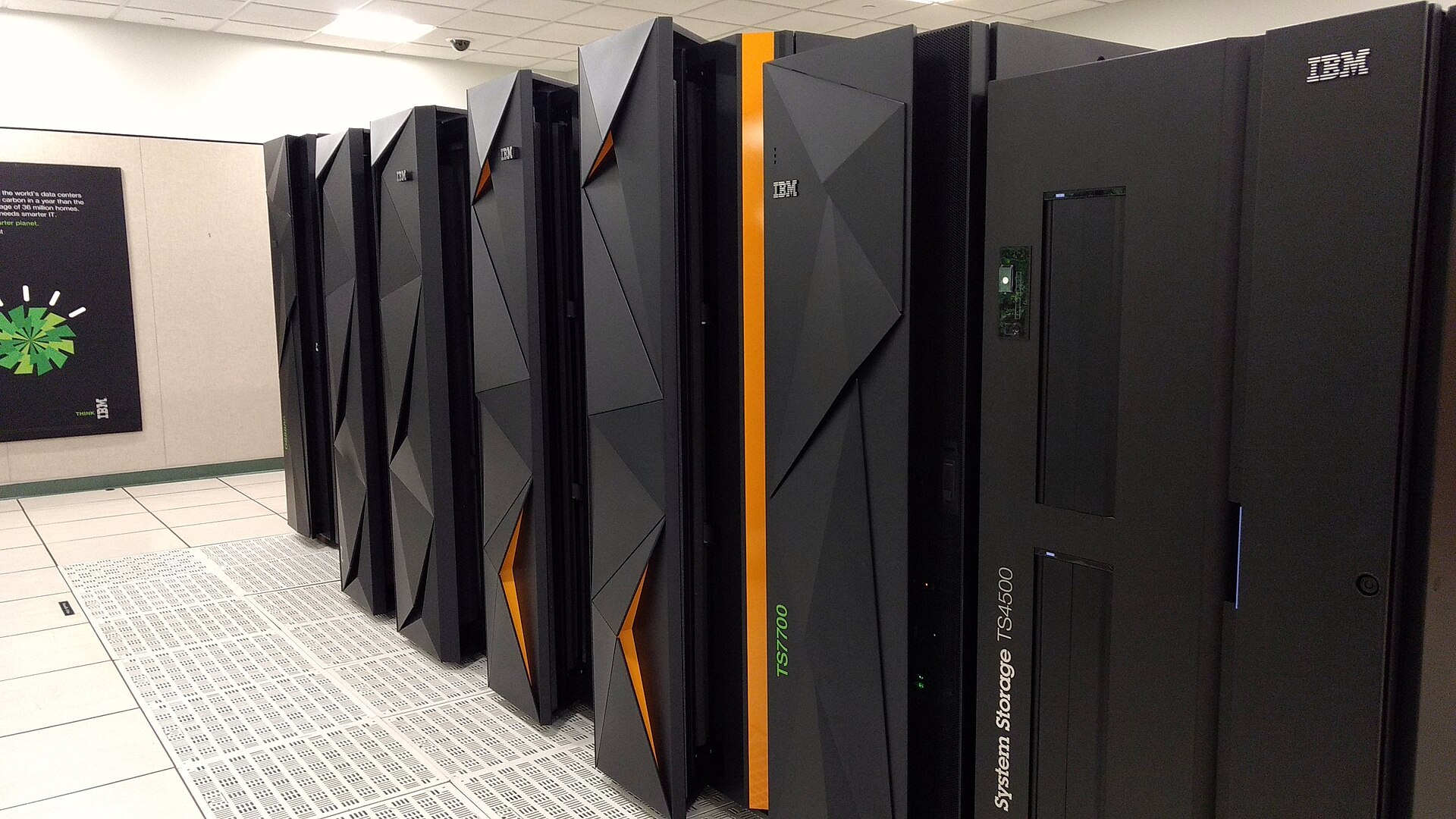
The company is also offering a second option for institutions that do not want their keys anywhere near a public cloud. A beta version of Digital Asset Haven can now run on-premises, entirely inside a client’s own IBM Z or LinuxONE hardware under Red Hat OpenShift, with hardware-backed security and key management the customer controls. For a bank, a government or any regulated enterprise, that means custody and transaction management can be evaluated inside its own data center, with keys never leaving the building.
IBM has spent the past several years steering Digital Asset Haven toward exactly this customer. The platform, built around the security of its mainframe systems, is aimed at institutions that want the economics of blockchain without surrendering custody of their assets to a third party. The Swift adapter extends that logic outward, from a bank’s own vault to the industry network it already pays to use, which is why IBM frames the two announcements as one story rather than two.
That detail matters more than the technology itself. Financial institutions have spent two years saying they want tokenized deposits for what they offer, mainly the ability to transact around the clock on a shared industry network. What has held them back is the fear of ceding control of their assets. IBM’s pitch is that they can have both: the network and the keys.
Swift is not the only party trying to solve the same problem. The Bank for International Settlements has run its own Project Agora, which places tokenized central-bank reserves alongside commercial-bank deposits on a shared platform so payment chains can settle atomically. Other consortiums and clearing entities are building alternatives. IBM is betting, in effect, that most banks would rather bolt a blockchain onto the messaging network they already use than build a new one.
The stakes are larger than a piece of middleware. Tokenized deposits, and the promise of money that moves as fast as information, have become one of the industry’s most concrete digital-finance bets, and Swift’s pilot is the highest-profile attempt to bring them to scale. For IBM, whose mainframe and consulting businesses have long profited from banking infrastructure, being the vendor that connects that infrastructure to a blockchain is a way to stay relevant as the rails change.
What the beta does not yet settle is whether the model holds up at scale. A ledger that synchronizes obligations among 17 banks in a test is one thing; a ledger that must clear exposures across thousands of institutions, with a workable liquidity and credit framework, is another. IBM and Swift are still proving the plumbing. Whether the banks that use it will agree on how the money finally settles is the question neither has answered yet.