On Sunday, Elon Musk told his followers on X that the $40 billion financing for SpaceX’s chip build was done. By Monday, the company’s own announcement described something slightly different: a binding commitment, subject to closing conditions, that had not yet closed.
The gap between the two statements is not a scandal. It is how large equipment financings are actually signed, and it says something about how much of the artificial-intelligence build is now being paid for with structures borrowed from the aircraft industry.
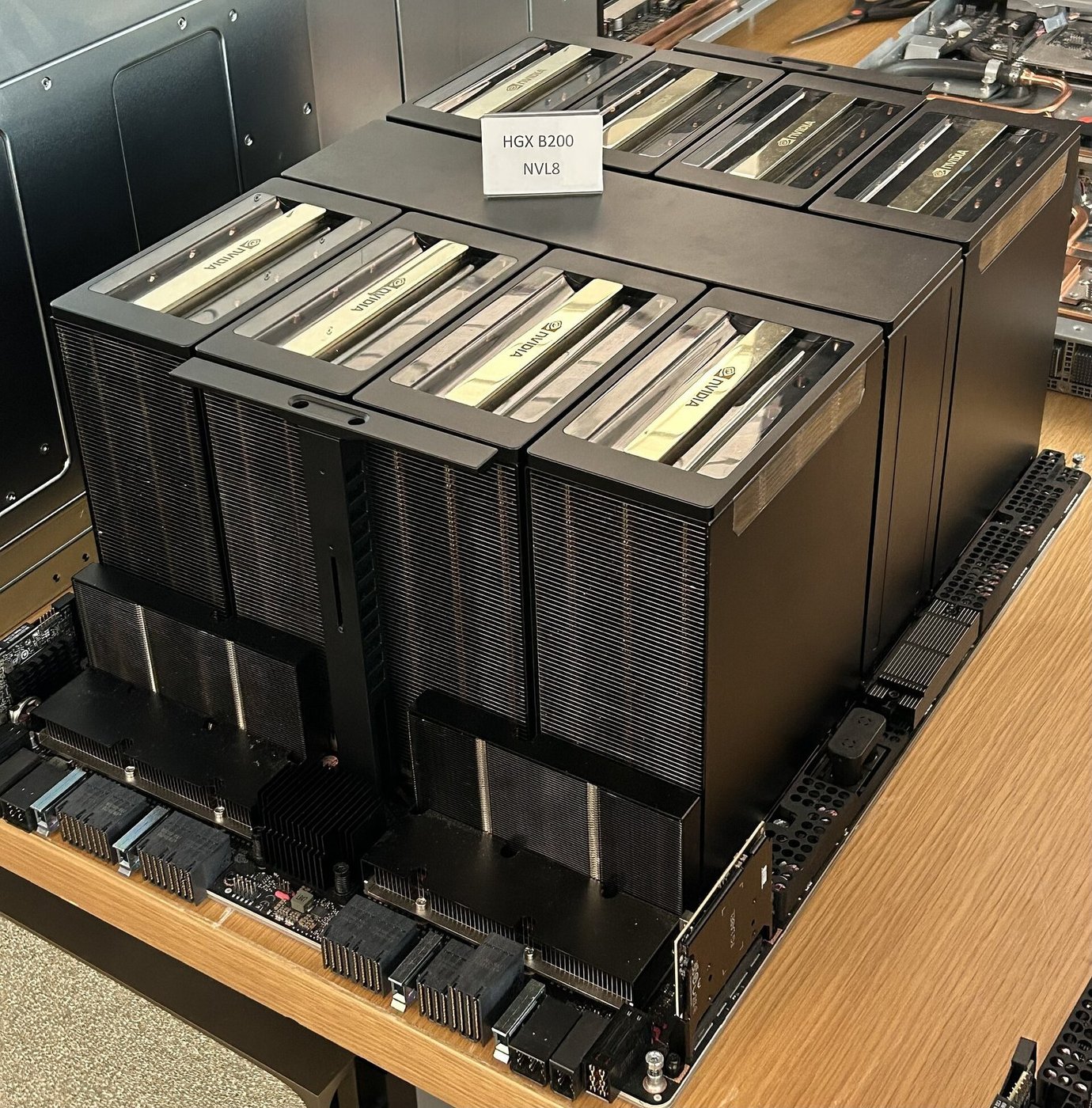
SpaceX said on Monday that it had reached a binding commitment to enter a master finance lease of about $40 billion for graphics processors and related equipment with an entity managed by Apollo Global Management. Apollo’s side will buy Nvidia’s next-generation Vera Rubin chips and the servers around them, then lease the equipment to SpaceX. Goldman Sachs was sole structuring adviser. Funds managed by BlackRock, Goldman Sachs Asset Management and accounts advised by KKR made anchor commitments. The transaction is expected to close before the end of 2026, with lease schedules beginning as equipment is delivered in the first half of 2027. Bloomberg reported that pricing was still being negotiated.
The structure is a sale-and-leaseback in everything but name. SpaceX gets the hardware without buying it outright, Apollo’s investors get a stream of lease payments secured by assets they own, and the obligation sits in a special-purpose entity rather than on the corporate balance sheet. For a company that has an investment-grade rating to protect and a habit of issuing debt for launch infrastructure, keeping $40 billion of equipment off the reported balance sheet is worth more than the interest-rate difference.
The chief financial officer’s argument for the deal is a payback claim. SpaceX, in commentary released with the announcement, said demand for computing is accelerating fast enough that it is seeing “less than one year payback periods” on its superintelligence infrastructure investments. That is a remarkable number in any capital-intensive business, and it is the kind of number that gets tested by events. A payback period under twelve months implies returns that would justify almost any financing cost, which is convenient when the financing cost has not been disclosed.
SpaceX, which listed earlier this year, has been building terrestrial data centres to serve Grok and to rent capacity to outside customers. The Vera Rubin generation is Nvidia’s successor to Blackwell, and buying it through a lessor rather than a purchase order means the depreciation question moves to the owner of the equipment.
That distinction is the reason the deal matters beyond SpaceX. A company that buys chips carries the risk that they are worth less in three years than the accounting schedule assumes. A company that leases them carries a payment obligation and, usually, a renewal or purchase option at the end. Lessors price that residual risk, and the price they set is a market opinion about how fast artificial-intelligence hardware becomes obsolete.
The reaction in the listed compute market was immediate and negative. CoreWeave and other companies that rent out GPU capacity fell in premarket trading on Monday. Those businesses compete with SpaceX for customers and, more uncomfortably, compete with it for capital. A $40 billion facility arranged by Apollo with Blackstone, Goldman and KKR behind it is not available to a company with a fraction of SpaceX’s cash flow, and the pricing on it becomes a benchmark that smaller operators cannot match.
Musk did not soften the message. Replying to Chamath Palihapitiya on X, he said more than 200 so-called neoclouds, the venture-funded outfits that rent GPU time, face a death of the kind guppies suffer in a tank, and that SpaceX would not be buying any of them. Palihapitiya said he expects 2027 to produce stranded compute: data centres built and energised but unable to earn, because the power and network connections they were promised arrive late or not at all.
Whether that prediction holds depends on two things nobody has settled. The first is whether demand for inference keeps compounding at the rate the contracts assume. The second is whether the electrical grid can deliver. A gigawatt of new load takes years to connect in most American markets, and a chip that arrives in 2027 needs a building, a substation and a utility agreement to be worth anything.
The aircraft-leasing parallel is instructive for a different reason. Airlines discovered in the 1990s that they could grow a fleet faster by leasing than by buying, and lessors discovered that a diversified portfolio of aircraft on long leases to creditworthy carriers was a decent business. What broke the model in bad years was residual value: too many aircraft, delivered on schedule, into a market that had stopped paying for seats. A GPU has a shorter useful life than a Boeing and a much less liquid second-hand market.
SpaceX’s version of the bet is that its own demand, for training and for serving Grok, is enough to keep the equipment busy regardless of what happens to outside customers. The lease is structured so the payments start when the hardware arrives, which means the clock begins in 2027 no matter what the model business looks like by then.
The announcement, read carefully, is a company telling its shareholders that the chip bill is now large enough to be financed like infrastructure rather than expensed like equipment. Apollo’s investors are underwriting Nvidia’s roadmap. SpaceX is underwriting its own ability to fill the racks. Both are reasonable positions in October. The lease runs for years, and the residual value will be decided by whichever of them is wrong.