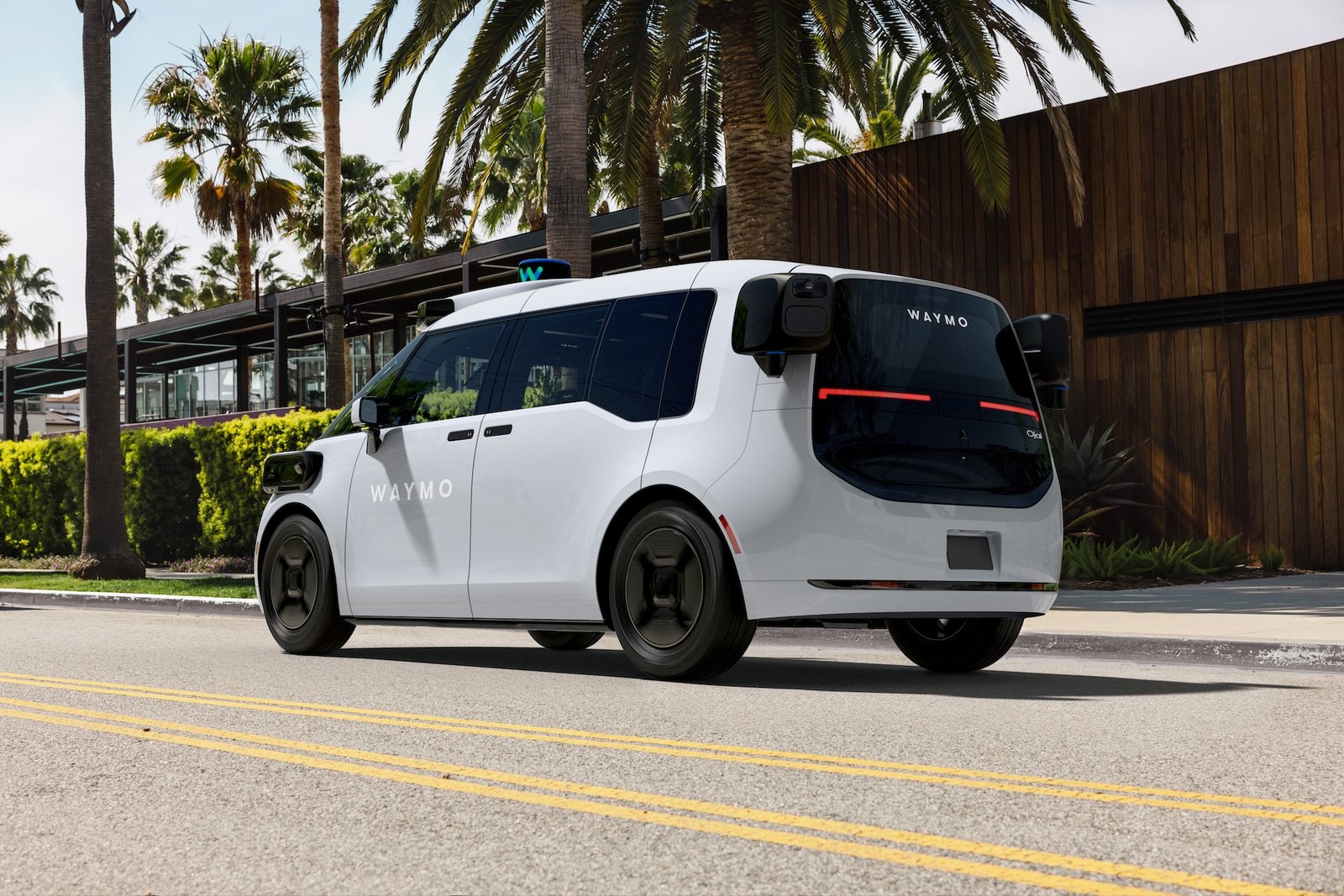
The first paid rides in Las Vegas started on September 14, when Waymo opened its robotaxi service to the public with a first batch of dozens of vehicles running its sixth-generation autonomous hardware. A day later, the company announced the bigger surprise: it is going to Tokyo.
Waymo said on September 15 that it has signed agreements with GO, a Japanese ride-hailing platform, and Nihon Kotsu, a major taxi operator, to bring fully driverless ride-hailing to Tokyo in 2027. It will be Waymo’s first fully driverless commercial operation outside the United States.
The two announcements, a day apart, describe a company that has stopped tiptoeing. Las Vegas extends its American footprint into a city synonymous with the ride-hailing business it is trying to displace. Tokyo extends the whole project into a country with a famously difficult and famously underserved mobility market.
In Las Vegas, Waymo is walking onto Uber’s home turf. The city’s strip, its conventions, and its endless stream of visitors are among the most valuable ride-hailing markets in the world, and Waymo’s entry there is a direct challenge to the incumbent that once tried to build its own self-driving program before selling it.
The Tokyo plan is different in kind. Japan has a chronic shortage of drivers, an aging population, and a regulatory environment that has warmed to autonomous vehicles as a necessity rather than a luxury. The conditions for a robotaxi service are, in some ways, better in Tokyo than in any American city.
The partnership structure is the key to the Japan entry. Waymo is not going alone. It has tied itself to GO, which brings demand and a user base, and to Nihon Kotsu, which brings drivers, depots, and local operational knowledge. The model is the same one that has worked in its American launches: Waymo’s technology, a local operator’s reach.
Analysts said the two steps past any remaining doubt about Waymo’s ambitions. The company has spent years building a service that works in a few carefully chosen cities. Las Vegas and Tokyo show that it is now ready to scale, and that it will cross borders to do it.
The timeline matters. Tokyo in 2027 is not a promise for next quarter. It is a commitment that gives regulators, partners, and competitors two years to prepare, and it puts a date on a market that no Western autonomous company has cracked at commercial scale.
The obstacles are real. Waymo still has to clear Japanese regulation and lock in the operating details with its partners, and the road from an agreement to a paying ride in a foreign country is long. The announcement is a declaration of intent, not a finished product.
The company’s hardware has also moved forward. The sixth-generation system in the Las Vegas vehicles is meant to be cheaper to build at scale, which is the quiet condition for everything else. Robotaxis only work as a business if the vehicle cost comes down far enough to compete with a human driver.
The competitive picture is crowded. Uber has rebuilt its self-driving ambitions, Tesla has promised a robotaxi, and a number of well-funded rivals are chasing the same cities. Waymo’s head start is real, but the gap is the thing everyone is trying to close.
Las Vegas joins a map that already includes Phoenix, San Francisco, Los Angeles, and Austin, the cities where Waymo has spent years building a service that works before expanding it. The pattern is deliberate: prove the technology in one market, then move. Vegas and Tokyo are the next two points on a line that is now pointing overseas.
Japan is a natural first foreign market for reasons beyond technology. The country’s aging population and chronic shortage of drivers have made autonomous vehicles an economic necessity rather than a curiosity, and regulators have signaled openness. The conditions that make robotaxis hard in some places are, in Japan, the very reason to want them.
The two-year runway to 2027 is the realistic part of the announcement. Foreign regulation, local mapping, and the operational details of running a driverless fleet in a dense city all take time, and the partnership with GO and Nihon Kotsu is built to absorb that work. The date is a commitment, but the work is still ahead.
Uber is the common thread in both announcements. In Las Vegas, Waymo is competing directly with the company that dominates ride-hailing. In Tokyo, it is building a service Uber has not yet cracked at scale. The week’s news frames Waymo less as a technology project and more as a global transportation company arriving on the incumbents’ ground.
What the week showed is that Waymo is no longer testing whether the idea works. It is now competing for markets, in Las Vegas against the ride-hailing incumbents and in Tokyo for a new kind of customer, and the map it is drawing is global.