
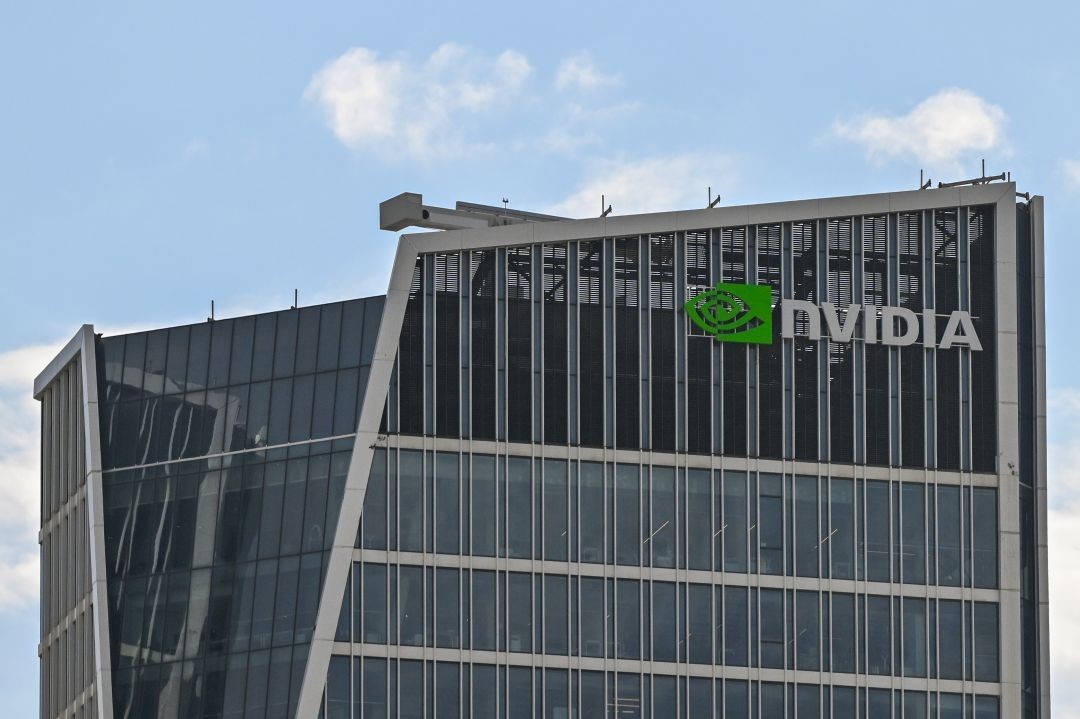
Nvidia’s board approached René Haas, chief executive of the chip designer Arm Holdings, about succeeding Jensen Huang, then spent the next day arguing that the approach had not happened the way it was described. The board said it had not “formally approached” any candidate and that speculation about candidates was premature. The Financial Times reported the approach on Nov 13. The board’s statement came on Nov 14.
The wording is doing work. A denial that turns on the word “formally” concedes the possibility of informal contact, which is how most board searches begin. Directors talk to people they already know before there is a mandate, a process or a record. The statement answers the question a lawyer would ask, not the one a shareholder would ask.
The motive for looking outside is visibility. Analysts expect the next chief executive to face pressure to move Nvidia toward a more institutional style of management, which is a polite way of describing a company where a founder set strategy, owned the customer relationships and answered to nobody in particular. Hiring an outsider is how directors make that shift legible to investors.
Haas is the outside candidate who is not really outside. He spent about seven years at Nvidia and rose to vice president and general manager of its compute products business, the part of the company that sells the systems the market now values so highly. He was an executive Huang promoted, and the two are described as still close.
His record since is the kind a board can defend out loud. He joined Arm in 2013, became its chief executive in 2022, and the following year took the company through its listing on Nasdaq. That is a chief executive who has run a public company, handled investors through a listing and done it inside a business whose designs end up in a very large share of the world’s chips.
Chip companies almost always promote from inside. The bench is deep, the technology is specific, and an outsider spends a year learning what the internal candidates already know. The counter-argument is that internal candidates inherit the founder’s habits along with the founder’s chair. A board that wants a different company cannot get there by hiring the person who agreed with the last one.
What a board gets from an outside search, even one that ends in an internal appointment, is a benchmark. An outside candidate produces a comparison, a compensation datapoint and a record showing that directors looked beyond the obvious successor. That record matters later, when a decision has to be defended to holders who ask why the board did not test the market.
The policy file complicates the job description. Analysts note that Nvidia must also handle pressure from Congress, which is seeking further restrictions on chip exports. A chief executive now has to testify, negotiate with committees and explain a roadmap to people who do not care about clock speeds. That is a skill set boards look for in a sitting public company chief, which is another argument for Haas.
Taking him would mean taking a sitting chief executive from a company whose designs much of the industry depends on, and doing it while Nvidia still has no permanent leader. Arm would have to replace him. Nvidia would have to explain why the best candidate for its next decade is someone who left seven years ago and has been running a supplier-side business since.
The internal cost is harder to price. Nvidia’s senior ranks were built by Huang, and every executive in them can read a search as a verdict. A board that approaches an outside candidate and then denies it in careful language has told the inside bench two things at once: that they are being considered, and that they were not the first call.
There is a version of this that is simply a board doing its job. Directors are supposed to know who is available before they need to hire, and a conversation with a former executive the founder rates is not a scandal. The problem is the sequence. A leak, followed by a denial that concedes the contact, leaves the company answering questions about a process it has not described.
The next signal will be a search firm, a formal committee or a named internal candidate with a title change. Any of the three would show the board has moved from conversations to a process. Silence past the next earnings cycle would suggest directors are waiting for the policy picture to settle before they commit to anyone.
The price of this decision arrives slowly. Hire an outsider and the company buys institutional discipline, paying in continuity, at a moment when customers are signing multiyear commitments and want to know who will still be there to honour them. Hire inside and it keeps the culture, paying in the appearance of a board that could not make a change it had already started. Either way the board will have spent its credibility on a phone call it says it did not formally make.



