The hearing changed one thing. A software program the US government bought from Oracle is now a public argument about who answers when it fails, rather than a procurement dispute settled in private.
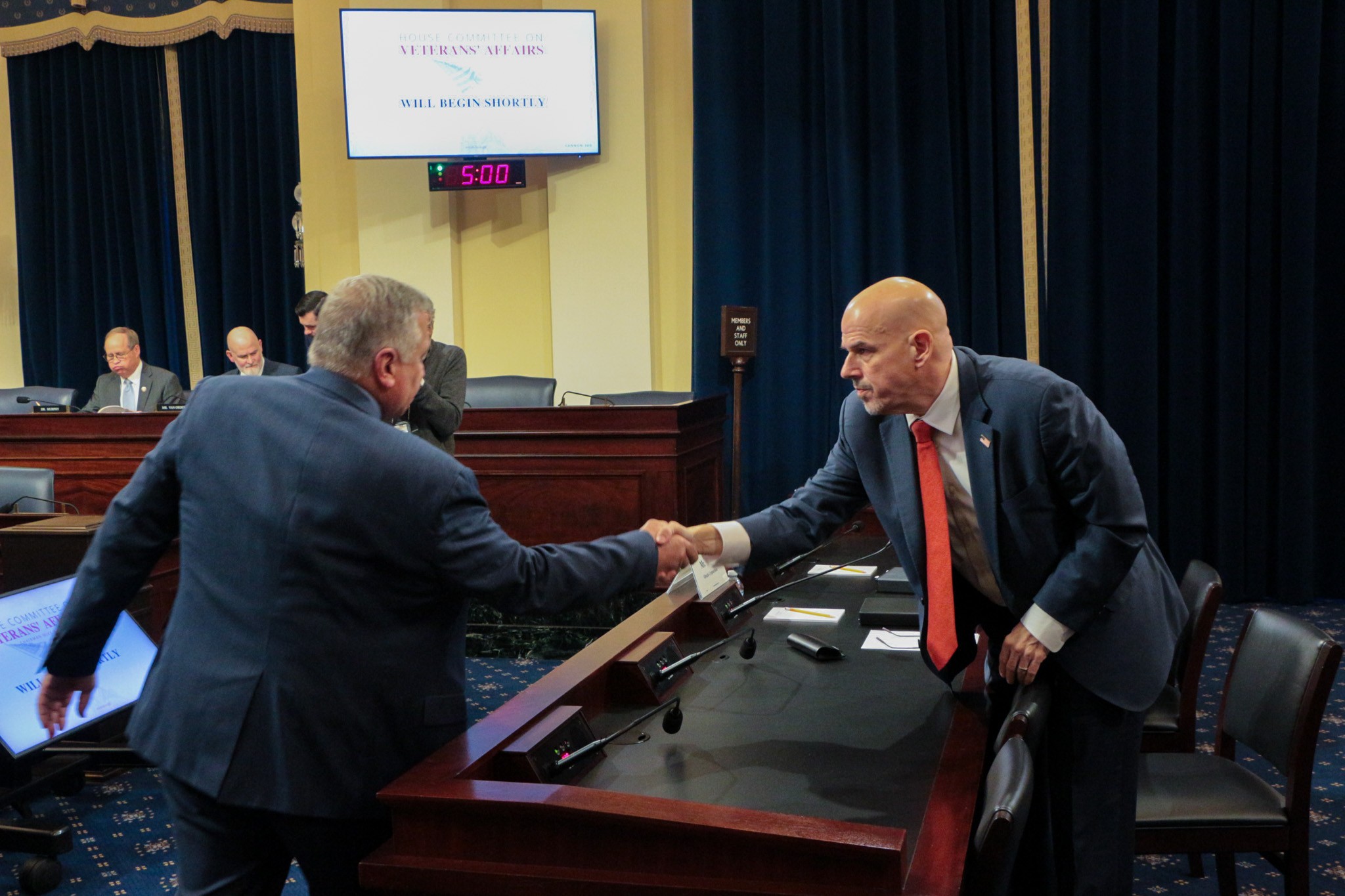
On Nov 19 a House committee questioned Oracle executives about the platform the Department of Veterans Affairs uses to keep medical records, after the agency retired a legacy system and moved to Oracle’s software. Members asked about rollout schedules, about where the data behind new AI features comes from, and about how patient information is protected.
Why that deserves an ordinary reader’s time is simple. The software holds the medical files of millions of veterans, and clinicians use it to order tests, prescribe drugs and write notes. When it stalls, care slows. When data is mishandled, the damage does not stay inside a budget line.
The program’s problems are not new. Sites have reported outages, slow load times and records that appeared in the wrong place or vanished from view. Each incident is small on its own. Taken together they describe a system rolled out faster than the agency could absorb it.
The same software runs in military hospitals under a separate contract, which widens the exposure. A defect fixed for one agency arrives, eventually, in the other. A data practice that satisfies one set of lawyers may not satisfy the other, and the two programs are governed by different offices with different appetites for risk.
The schedule has slipped more than once. The department has extended deadlines, narrowed the number of sites going live in each wave and, in some cases, kept older systems running alongside the new one for longer than planned. Each extension costs money and each one delays the point at which the agency can retire the systems it is paying to maintain.
The commercial history explains the politics. Oracle bought Cerner in 2022 for $28.3 billion, and with it inherited contracts with the department and with the military health system. The deal turned a database company into a clinical software vendor overnight, and it loaded the balance sheet at the moment Oracle began borrowing to build AI data centers.
Watchdogs have been documenting the program for years. Audits have described incomplete testing, unclear ownership of defects and contracts that made it difficult to withhold payment for software that did not work. Those findings did not stop the rollout. They did establish a paper trail that members could read from on Tuesday.
Lawmakers framed the session as a message to government contractors. The subtext is that a company selling both infrastructure and clinical tools will be asked to prove the two are kept apart. That is a governance question before it is a technical one.
The AI features sit at the center of it. Summaries of a patient’s history, suggested codes for billing, drafting tools for clinicians: each requires access to records, and each raises the question of whether that data is used only for the patient in front of the doctor or also to improve a model that will serve other customers.
Oracle has said its health division handles data under contract terms that restrict such use. Members were not satisfied with assurances. Several asked for documents, and at least one described the answers as incomplete, according to people familiar with the exchange.
The regulatory frame is still forming. Federal privacy law sets limits on sharing health information, but it was written for a world of covered entities and business associates, not for model training pipelines that cross borders and business units. Agencies have issued guidance. Guidance is not a rule.
For Oracle the hearing lands at an awkward moment. Investors have spent the past quarter asking how the company will fund its data center commitments, and the stock has weakened as questions about debt and depreciation mounted. A congressional inquiry does not change the arithmetic, but it does change how much patience the company can expect.
There is a fair counterargument. Large public software programs have always had rough rollouts, and the previous system was widely disliked by the clinicians who used it. Oracle can point to fixes shipped, to sites brought live and to a contract structure that gives the agency room to demand performance. Critics who treat every outage as evidence of bad faith are not describing the program as it operates.
The harder question is structural. The government now depends on a small number of vendors for both the computing power behind AI and the clinical software that records what happens to patients. Concentration of that kind is efficient in procurement and fragile in operation.
What the committee established is narrower than the headlines suggested and more durable. The program’s difficulties are now documented in a public forum, with named executives answering for schedules and data flows. The next contract modification will be read as the response, and the department’s clinicians will judge it before the members do.