The unusual part of Meta Platforms’ financing announcement on Monday was not the size of the number. It was the list of intended buyers.
The company filed to raise about $35 billion in a public offering split into two pieces: roughly $22.5 billion of Class A common stock and about $12.5 billion of Series A mandatory convertible preferred stock. A second stage follows early next year, when Meta intends to sell up to $60 billion more through an at-the-market program once its non-voting Class C shares begin trading in the first quarter of 2027. The total, if every piece is sold in full, reaches $95 billion and would be the largest equity raise in the company’s history.
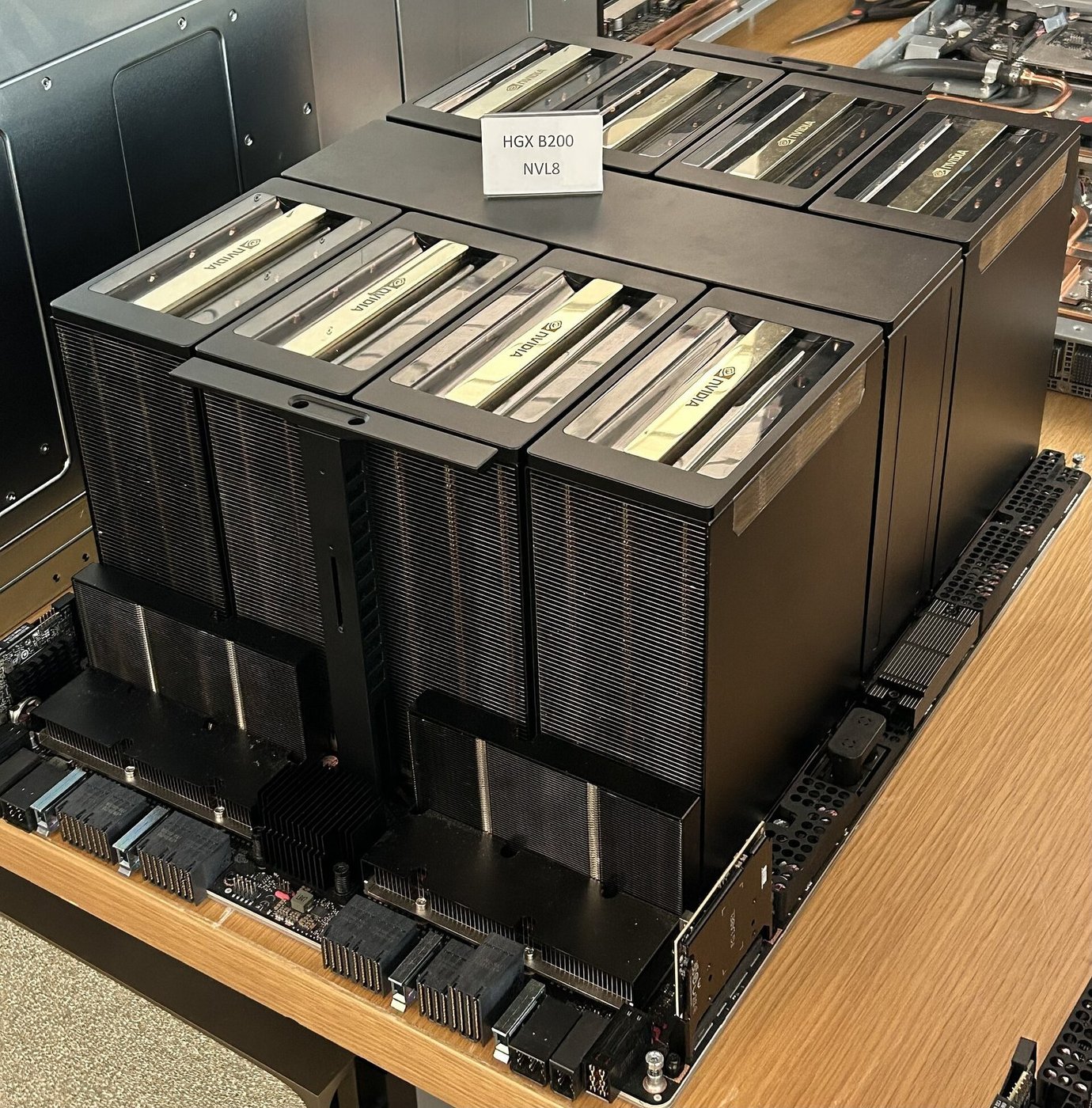
Meta said the proceeds go to artificial-intelligence infrastructure and to its work on superintelligence. The number needs to be read against what has already been promised. The company has committed to about $825 billion of future spending, and it has four single-site computing clusters under construction, each drawing more than a gigawatt of power. The raise covers a fraction of that bill. It is the fraction that cannot be met from cash flow without changing how the balance sheet looks.
The two-step structure exists because the Class C stock does not yet trade. Existing holders are due to receive the new shares as a distribution, and until that market opens there is a limit on how much common equity the company can sell without moving the price. The preferred fills the gap. It pays a coupon until a set date, then converts into common stock automatically, which makes it debt-like to the issuer in the interim and equity at the end. Buyers of that instrument are typically convertible funds rather than index investors, and they price it off volatility rather than earnings.
The at-the-market program is the more consequential piece, precisely because it is optional. Instead of pricing $60 billion in a single night and accepting whatever discount the book demands, Meta can sell into the market over months and choose its moments. Banks use these facilities routinely. A company of Meta’s size using one at this scale is not routine, and it tells you management expects the share price to be a variable it can work with rather than a fact it must accept.
Then there is the buyer list. Nvidia, Advanced Micro Devices and Broadcom have indicated they would take part as cornerstone investors, together subscribing to as much as $5 billion of the Class A shares, according to people familiar with the matter. All three sell Meta the accelerators and networking gear inside its data centers. Five billion dollars is small against ninety-five, but the direction of the money is what traders noticed: the suppliers are buying equity in the customer.
Analysts have spent two years arguing about how much of the artificial-intelligence build is being financed by the companies that sell into it. The pattern has a history. Telecom equipment makers in the late 1990s lent money to upstart carriers that used it to buy their switches, and the loans performed well right up to the moment the carriers stopped paying. The difference now is that the lenders are among the largest and most profitable companies in the world, and the equity they are buying sits on top of a business generating tens of billions in advertising profit each quarter.
The market’s first reading was not a confident one. Meta shares rose as much as 1.6% before the open, then reversed and traded about 2% lower. That pattern is familiar for large follow-on offerings: the deal is dilutive, the dilution is certain, and the return on the money is not. Cornerstone commitments help clear the book; they do not answer the question of what the new clusters earn.
Which is why the choice of equity over debt carries information. Meta could borrow. It has borrowed heavily as the data centers went up, and its bonds trade at spreads that assume a strong investment-grade rating. Adding $95 billion of debt to a company already committing $825 billion to construction would put pressure on that rating at exactly the moment the spending peaks. Selling stock does not. It also does not have to be repaid, which matters when the assets being financed depreciate on a schedule set by chip generations rather than by useful life.
The cost is borne by holders. Every share sold reduces the claim of existing owners on future profits, and the Class C structure means the new stock carries no vote, preserving the control Mark Zuckerberg holds through supervoting shares. The company gets capital and keeps the votes. Buyers get a claim on a business whose cash flow is being redirected into concrete, power contracts and silicon.
The commitment is the part worth watching. A company that has promised $825 billion does not stop spending because a quarter disappoints; the contracts are signed and the buildings are poured. That is why the financing mix matters more than any single quarter’s result. Equity raised now buys room to keep going if advertising slows, and it buys that room at a price set while the stock is high.
If the build pays off, the shares sold on Monday and over the next year will look cheap, and the chipmakers who bought in will look shrewd. If it does not, the $60 billion program will sit unused, and the $35 billion will have been raised at the top. Both outcomes are visible in the same document. Meta has given itself the option to choose which one it needs.